

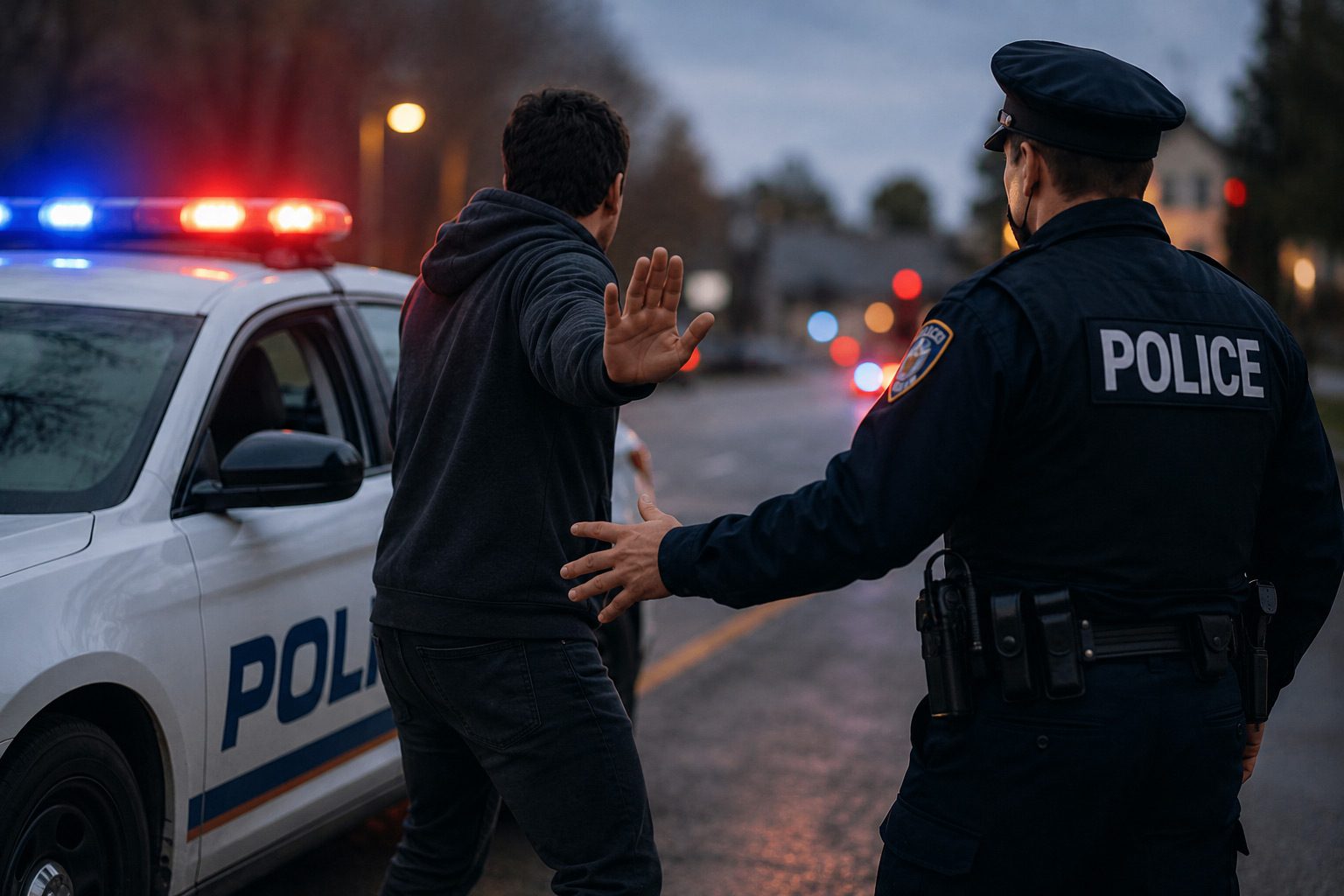
Interactions with police can be stressful, fast-moving, and sometimes confusing. But one thing is clear under Canadian law: obstructing a police officer carrying out their lawful duties can lead to criminal charges.
What Is Obstruction of Police?
The offence is set out in section 129(a) of the Criminal Code of Canada, which states:
Everyone who resists or wilfully obstructs a… peace officer in the execution of his duty… is guilty of an offence.
This is a hybrid offence, meaning it is punishable by way of summary conviction or by indictment.
Obstruction is not limited to physical resistance. Words and omissions can result in an allegation of obstruction. For example, if a peace officer asks for an individual’s name, and the said individual provides a false name, he or she could be charged with obstruction.
Key Elements the Crown Must Prove
To secure a conviction, the Crown must establish the following elements beyond a reasonable doubt:
1. The Officer Was Acting in the Lawful Execution of Their Duty
The officer must have been lawfully carrying out their responsibilities. These may include the following:
- Conducting an investigation
- Making an arrest
- Enforcing a traffic law
- Executing a warrant
If the officer was acting outside their lawful authority, this can significantly impact the strength of the prosecution’s case. For example, if the accused raises a Charter argument that, if successful, results in a ruling that the officer was not acting in the lawful execution of their duty, then the prosecution has a significantly weaker case against the accused.
2. There Was Actual Obstruction or Resistance
The Crown must prove beyond a reasonable doubt that your actions interfered with the officer in carrying out their duties.
3. The Accused’s Actions Were Willful
Obstructing a peace officer is a general intent offence. This means that the prosecution must prove beyond a reasonable doubt that the accused knew that he or she was interacting with a peace officer and intended to interfere with their duties. Accidental interference generally does not meet this threshold.
Examples of Obstruction
Obstruction goes far beyond physical resistance. In Alberta, charges can arise from situations such as:
- Providing false information to police (e.g., a fake name during a lawful detention)
- Interfering with an arrest, even if you’re trying to help someone else
- Refusing to comply with lawful commands, such as providing your name (in certain circumstances)
- Creating distractions or delays that impede an investigation
- Hiding evidence or assisting someone in avoiding police
Even seemingly minor actions can cross the line if they interfere with police duties.
What Does Not Count as Obstruction?
You are not obstructing police by:
- Exercising your right to remain silent
- Asking if you are being detained or are free to go
- Refusing consent to a search (unless police have lawful authority)
- Requesting to speak with a lawyer
The line between asserting your rights and obstructing police can be subtle—but it’s a critical distinction in Alberta criminal law.
Penalties for Obstruction
Obstruction of a peace officer is typically a hybrid offence, meaning the Crown can choose how to prosecute:
- Summary conviction: Less serious, lower penalties
- Indictable offence: More serious, potentially higher penalties
Possible consequences include:
- Criminal record
- Fines
- Probation
- Jail time (in more serious cases or if the accused has a lengthy criminal record)
Sentencing depends on factors such as:
- The severity of the obstruction
- Whether violence was involved
- The accused’s prior criminal history
Obstruction vs. Resisting Arrest
These charges are legally distinct:
- Obstruction: Interfering with police duties more broadly
- Resisting arrest: Physically preventing your own lawful arrest by, for example, running away from a police officer or refusing to put your hands behind your back.
Defences to Obstruction Charges
Obstruction charges are often defensible, particularly when the facts are unclear or Charter rights were violated.
1. The Officer Was Not Acting Lawfully
If police exceeded their authority, the charge may not stand.
2. No Intent to Obstruct
If your actions were misunderstood or accidental, this can be a defence.
3. No Actual Interference
If your conduct did not meaningfully impact the officer’s duties, the Crown may not be able to prove the case beyond a reasonable doubt.
4. Charter Violations
If your rights under the Canadian Charter of Rights and Freedoms were breached, evidence may be excluded or rulings may be made in regard to the officers lawful execution of their duties.
Final Thoughts
Obstruction of police is not just about physical resistance—it’s about interference, intention, and the context of your actions.
Understanding where the line is between lawful conduct and criminal obstruction can make all the difference—especially in high-pressure situations involving law enforcement.
If you’re facing an obstruction charge in Alberta, the details matter. What was said, what was done, and what the officer was legally allowed to do all play a role in how the case unfolds.
At White & Jeet Law, navigating that complexity is what we do. Because when your rights, your record, and your future are on the line, clarity and strategy aren’t optional—they’re essential.